
Outcomes-Based Governance: A Modern Approach To Corporate Governance
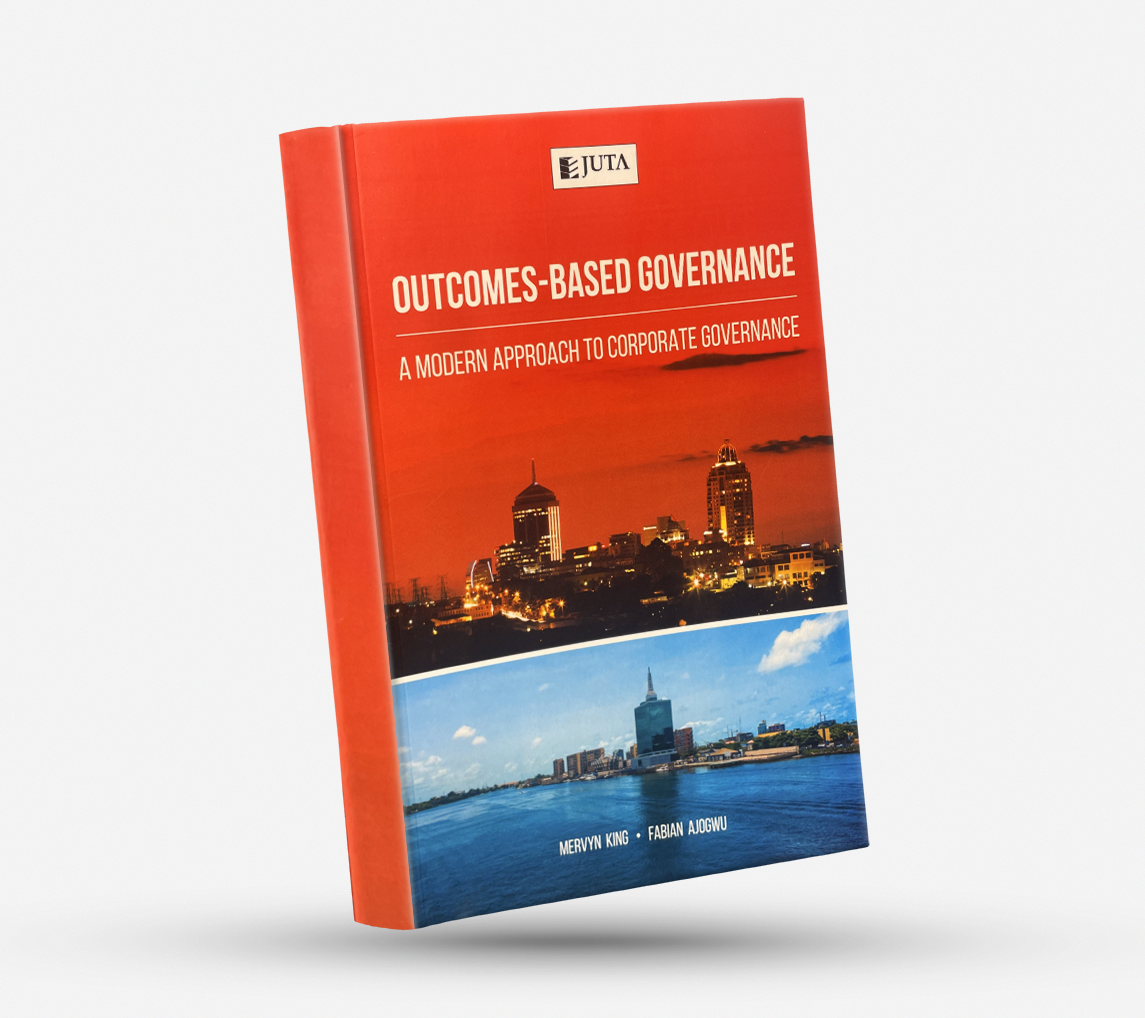
- ISBN: 978-14-8513-568-5
It is a great honour to provide a foreword to ‘‘Outcomes-Based Governance: A Modern Approach to Corporate Governance.”
It is undeniable that sound corporate governance is crucial to the profitability and sustainability of businesses, and to their capacity to fulfil their social purpose. Corporate Governance has come into sharper public focus in recent years, first due to a number of major scandals (for instance, at Enron and WorldCom) and then owing to the global financial crisis of 2007–2008, which led to an unprecedented loss of trust in the global financial system in general, and in the governance of several major financial firms in particular.
Greater attention to good Corporate Governance is unarguably essential to preventing market abuse, enhancing a company’s value, and enabling sustainable growth, profitability and equity valuation. Further, good Corporate Governance contributes substantially to capital market deepening and, ultimately, to the liquidity and soundness of investment portfolios. This may sound dry and abstract, but what it means in practice is that good Corporate Governance powerfully promotes inclusive and sustainable economic growth and human development. There is an argument that Corporate Governance has been oversold and that its promises are hollow. The authors’ view – which I share – is that the opposite is true. It has never been more necessary than it is now for corporate governance principles to be adopted proactively and ingrained in the culture of every organisation. There is, therefore, still a great deal of work to do to explain and embed good Corporate Governance in Africa – and it is this task to which this book makes a very distinguished contribution. Outcomes-Based Governance: A Modern Approach to Corporate Governance makes a very strong case for a holistic approach to Corporate Governance, in terms which firms and their directors are enjoined to focus on intended outcomes as opposed to isolated actions. The authors do not mince their words. This is a bold proposal. The adoption of an outcomes-based approach to corporate governance requires that companies move beyond traditional governance and organisational principles and move towards embracing purpose-led inclusive capitalism, integrated reporting, active corporate citizenship, and careful technology governance.
Talking of technology, the book argues that technology can revolutionise corporate governance by improving and automating the compliance process and so it is refreshing and timely to see this development extensively covered here. The book goes on to explain how blockchain technology in particular, can enhance corporate governance by eliminating a complex web of intermediaries and enabling transactions to be verified in a timely and cost-effective manner.
This book will be very useful in classrooms where Corporate Governance theory is taught, and equally valuable in the boardrooms where Corporate Governance is practised. I commend the Learned Authors, Professor Mervyn King, SC and Professor Fabian Ajogwu, SAN, for their extraordinary and lifelong dedication to defining, promoting and practising good Corporate Governance in Africa. Their knowledge and practical experience of Corporate Governance are unmatched, and their insights are of immense value both to students and to practitioners.
Sim Tshabalala
Group Chief Executive
Standard Bank Group Limited
Johannesburg,
20 February 2020.